Case Study: AI for CSOs Project
Localising Artificial Intelligence for Civil Society in Uganda
Digital strategy, program design, knowledge production & project leadership
Role: Digital Strategist, Program Designer & Project Manager
Organization: Kampala Analytica
Partners: GIZ – Governance and Civil Society Programme (GCSP)
Duration: May – November 2024
Geography: Central & Southwestern Uganda
Focus Areas: AI localization, digital capacity building, policy dialogue, civic innovation
1. Context & Strategic Challenge
Civil Society Organizations (CSOs) in Uganda operate at the frontline of development, governance, and social justice—yet remain largely excluded from meaningful engagement with Artificial Intelligence and emerging technologies.
AI conversations were:
- Highly centralized
- Technocratic and global-north driven
- Detached from grassroots realities and civic work
At the same time, CSOs faced:
- Capacity gaps in digital communication and data-driven decision-making
- Limited access to practical, localized AI knowledge
- Overreliance on donor-driven models with weak digital sustainability strategies
The challenge:
How do you democratize AI knowledge, localize it for civil society realities, and translate it into practical tools, systems, and culture change—not just conversations?
2. My Role & Scope of Responsibility
I was involved from concept to completion, playing a dual strategic and operational role:
- Co-designed the project concept, theory of change, and implementation framework
- Led digital strategy and knowledge architecture for the entire initiative
- Served as Project Manager throughout the six-month implementation
- Designed and authored flagship educational resources (handbooks/manuals)
- Oversaw documentation, communications, and digital outputs
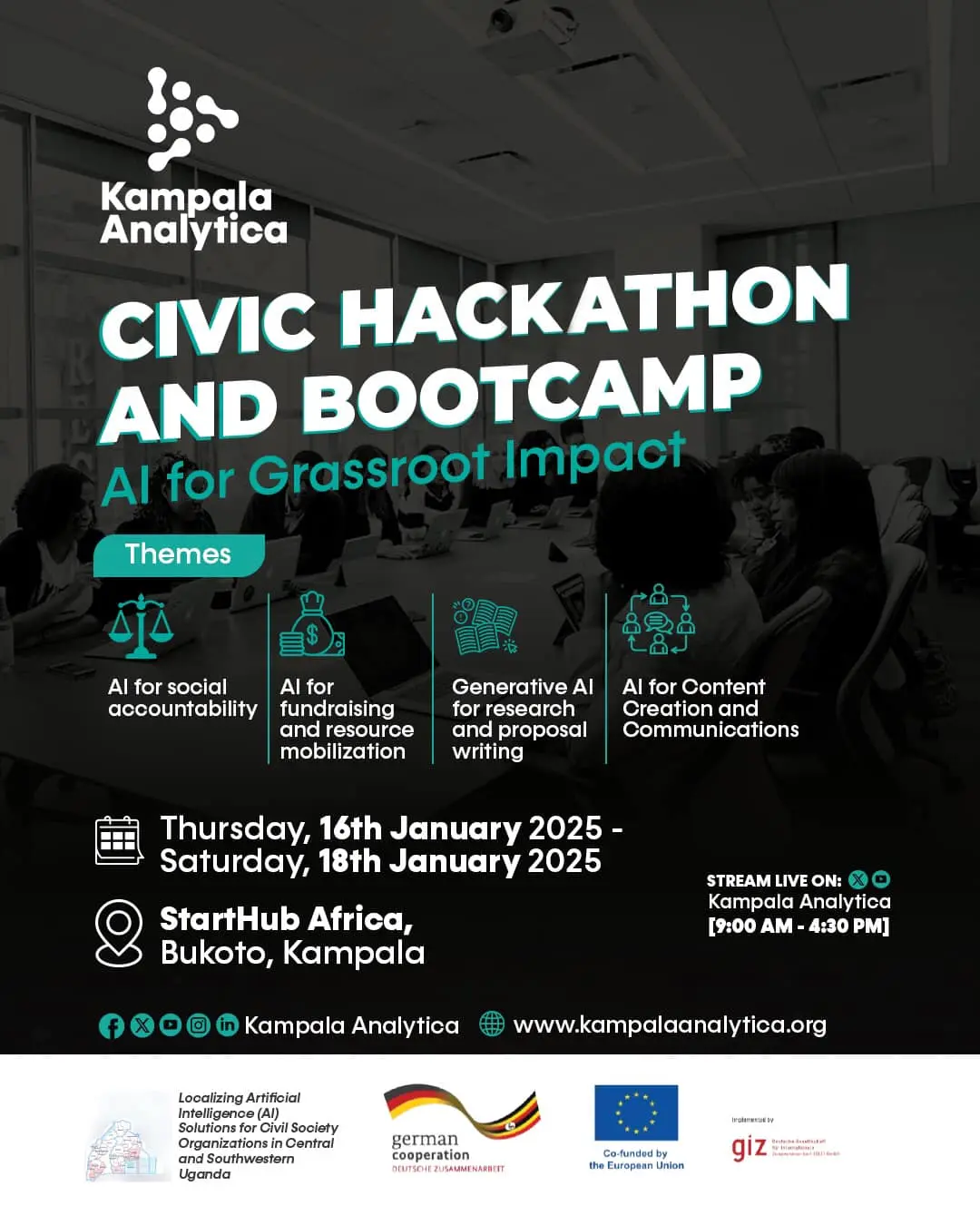
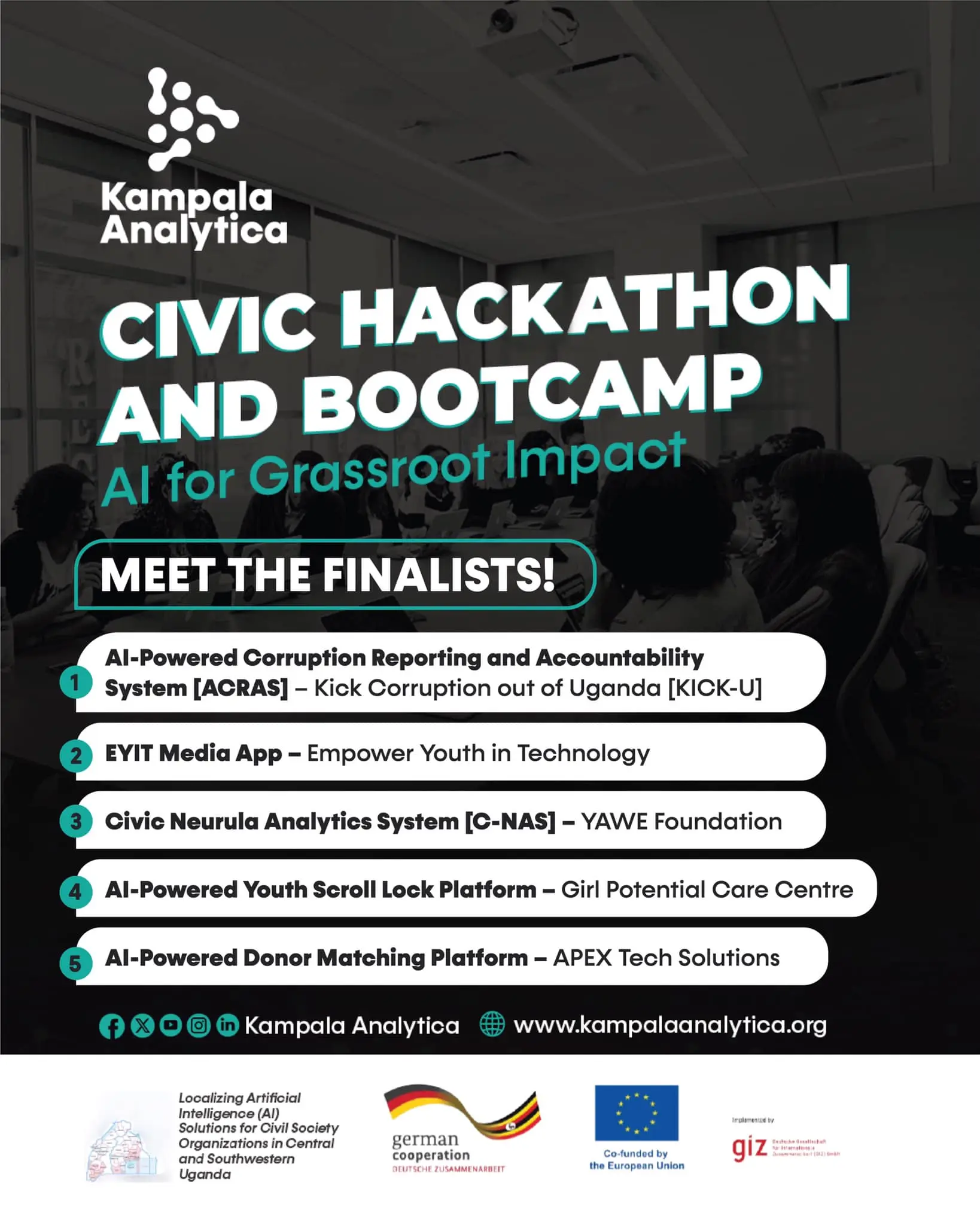
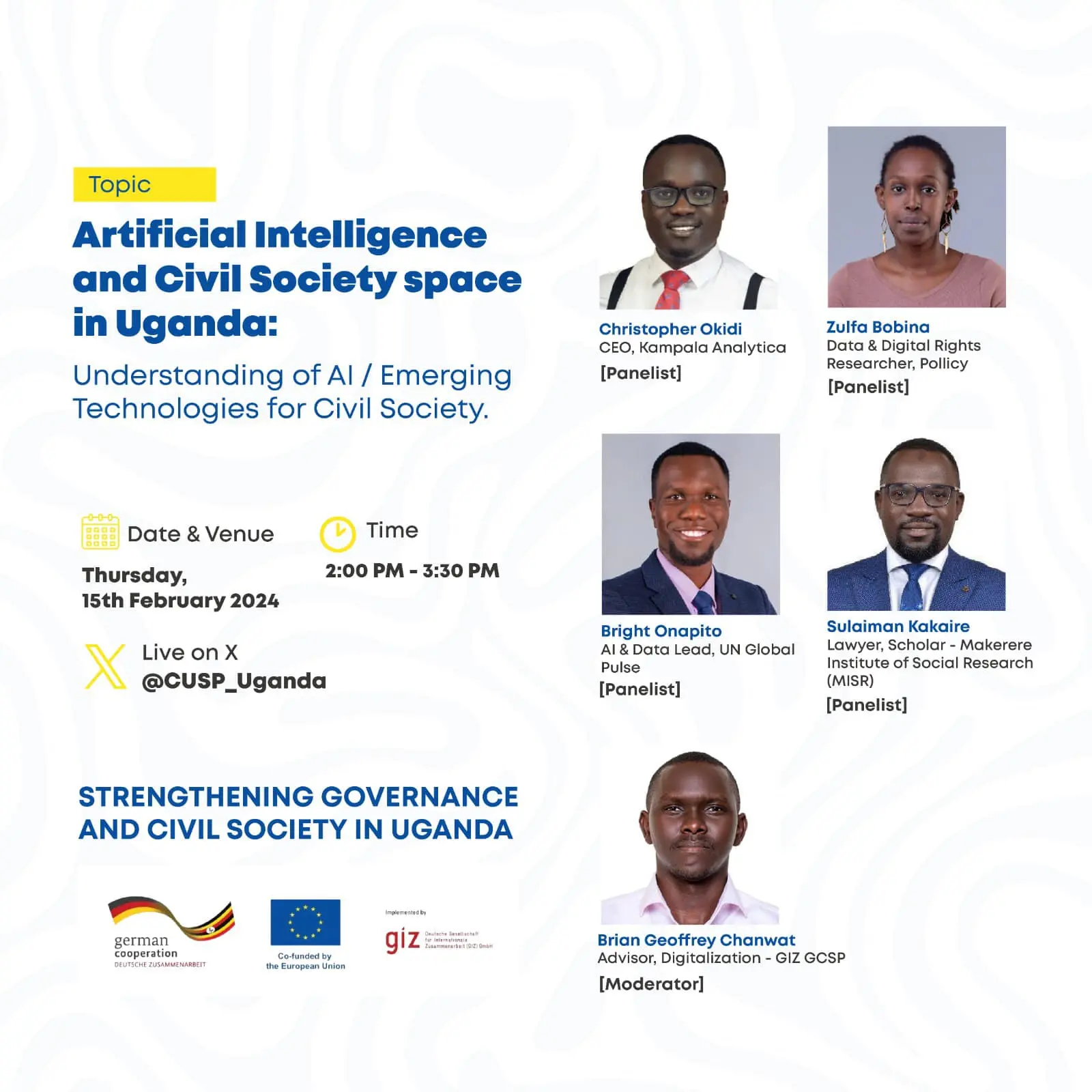
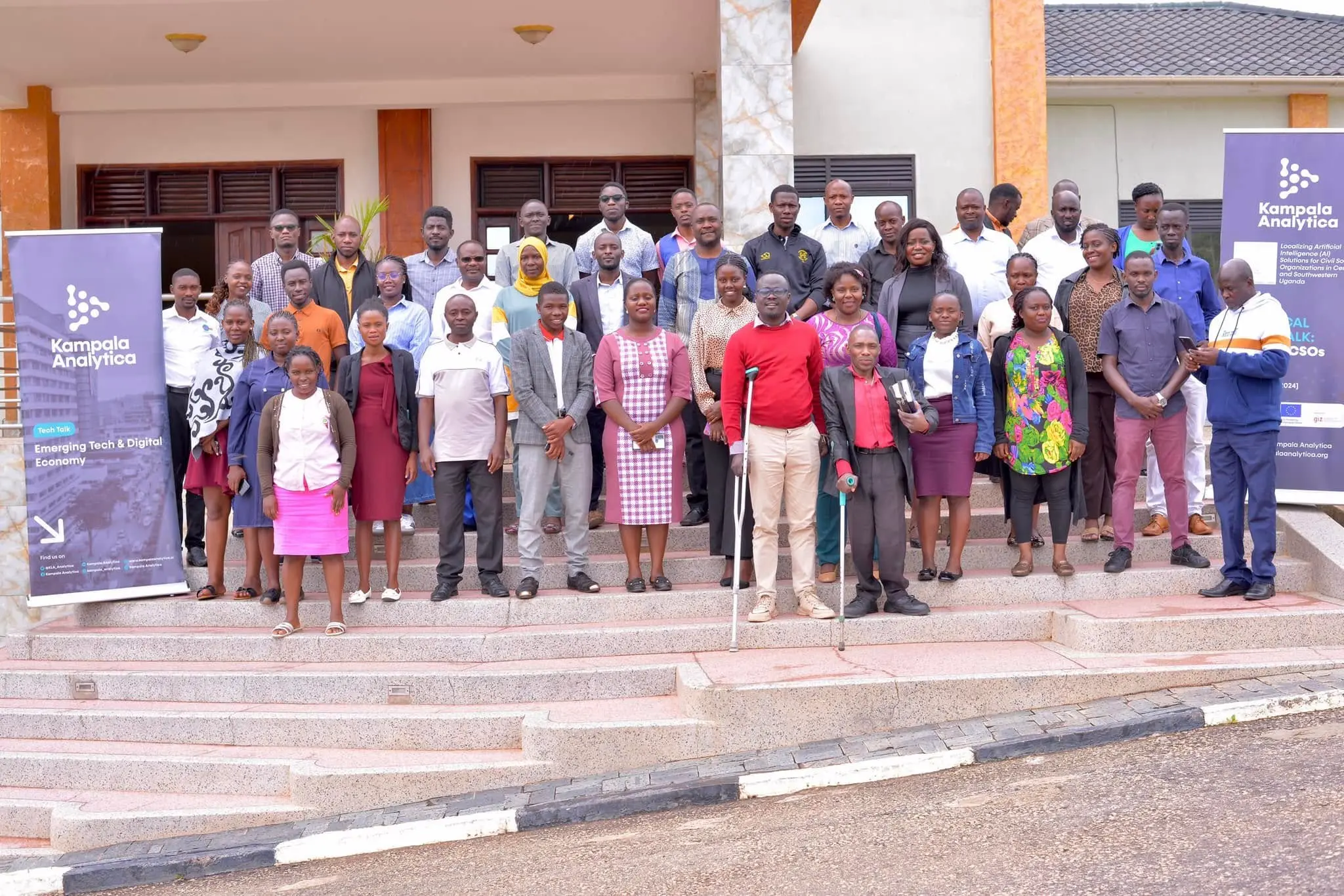
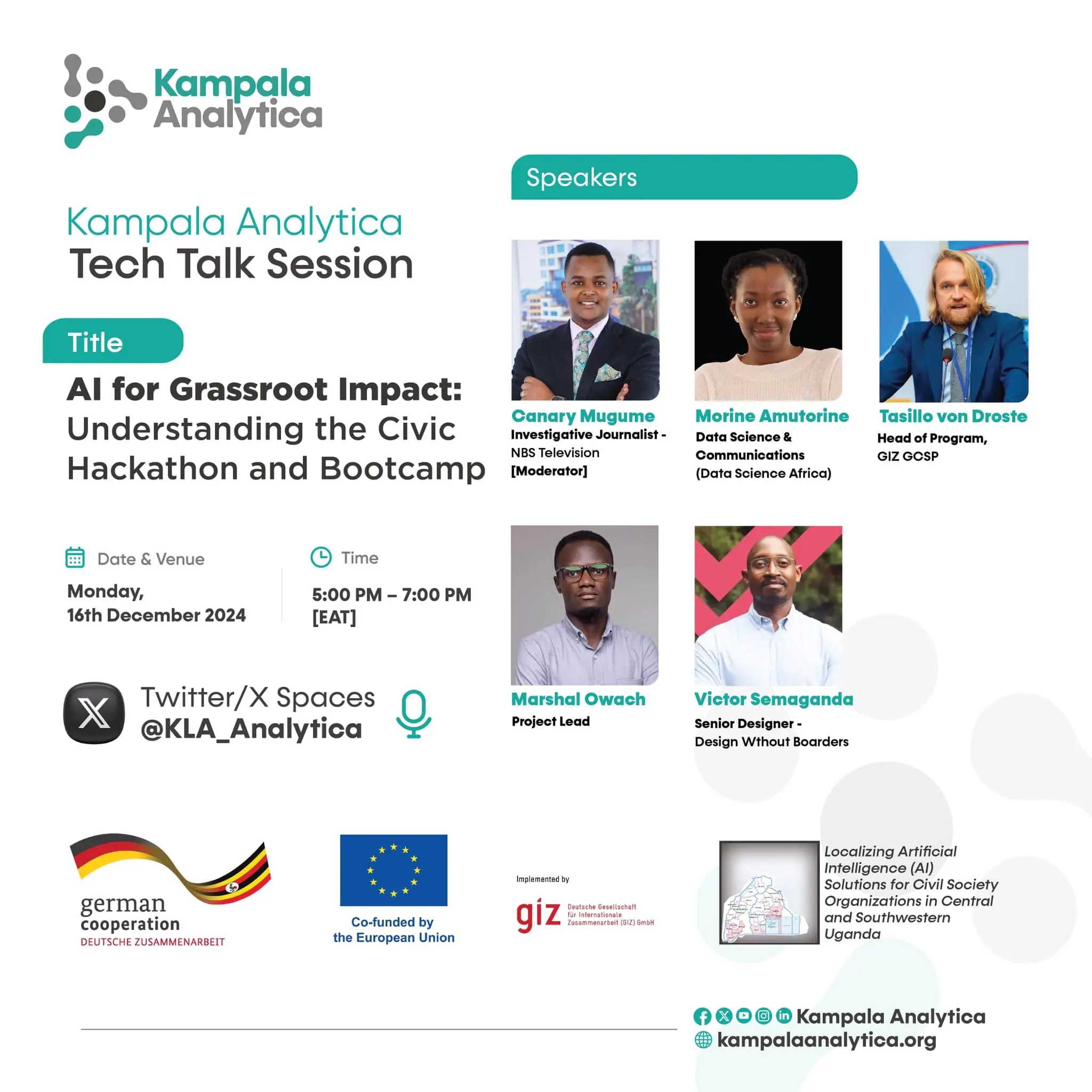
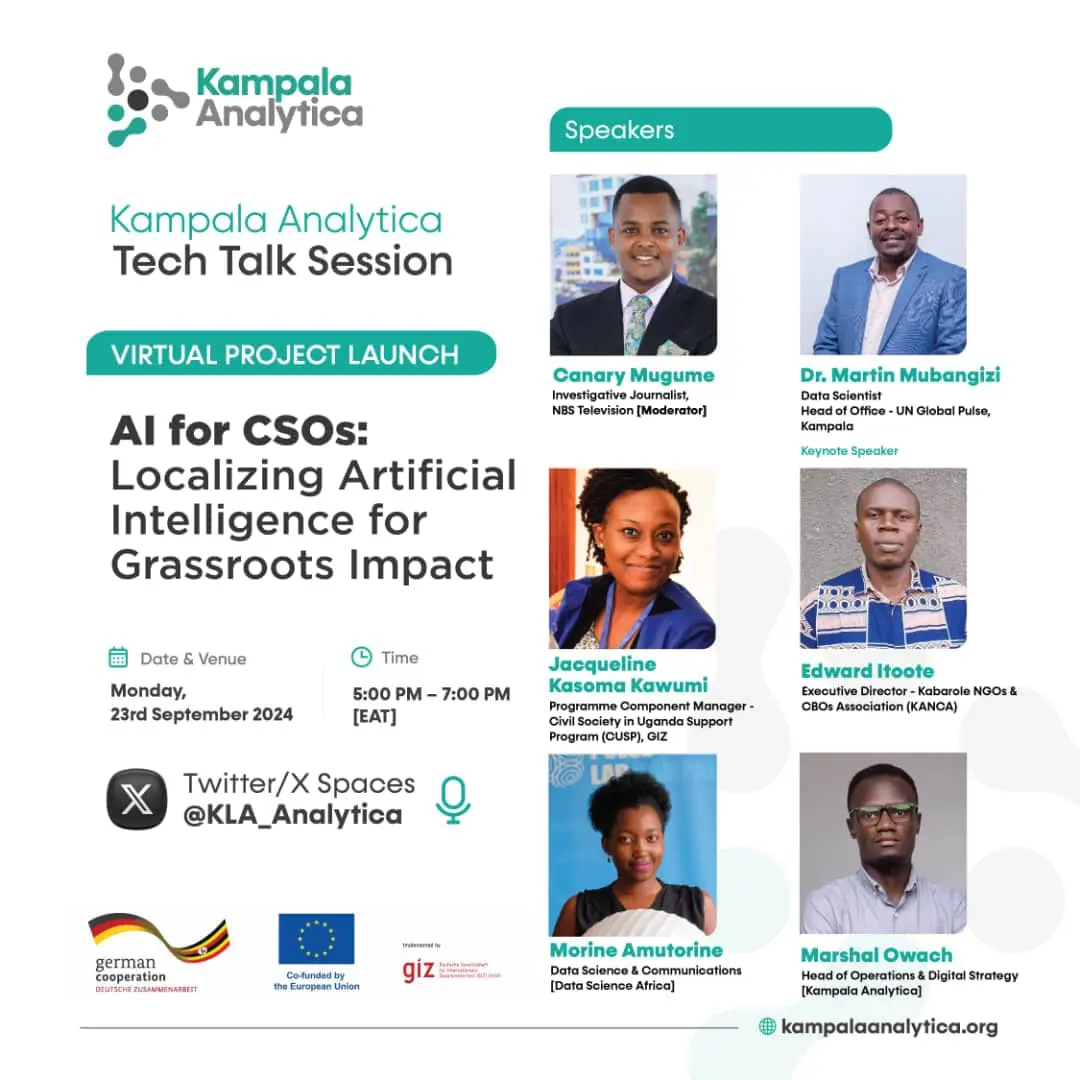
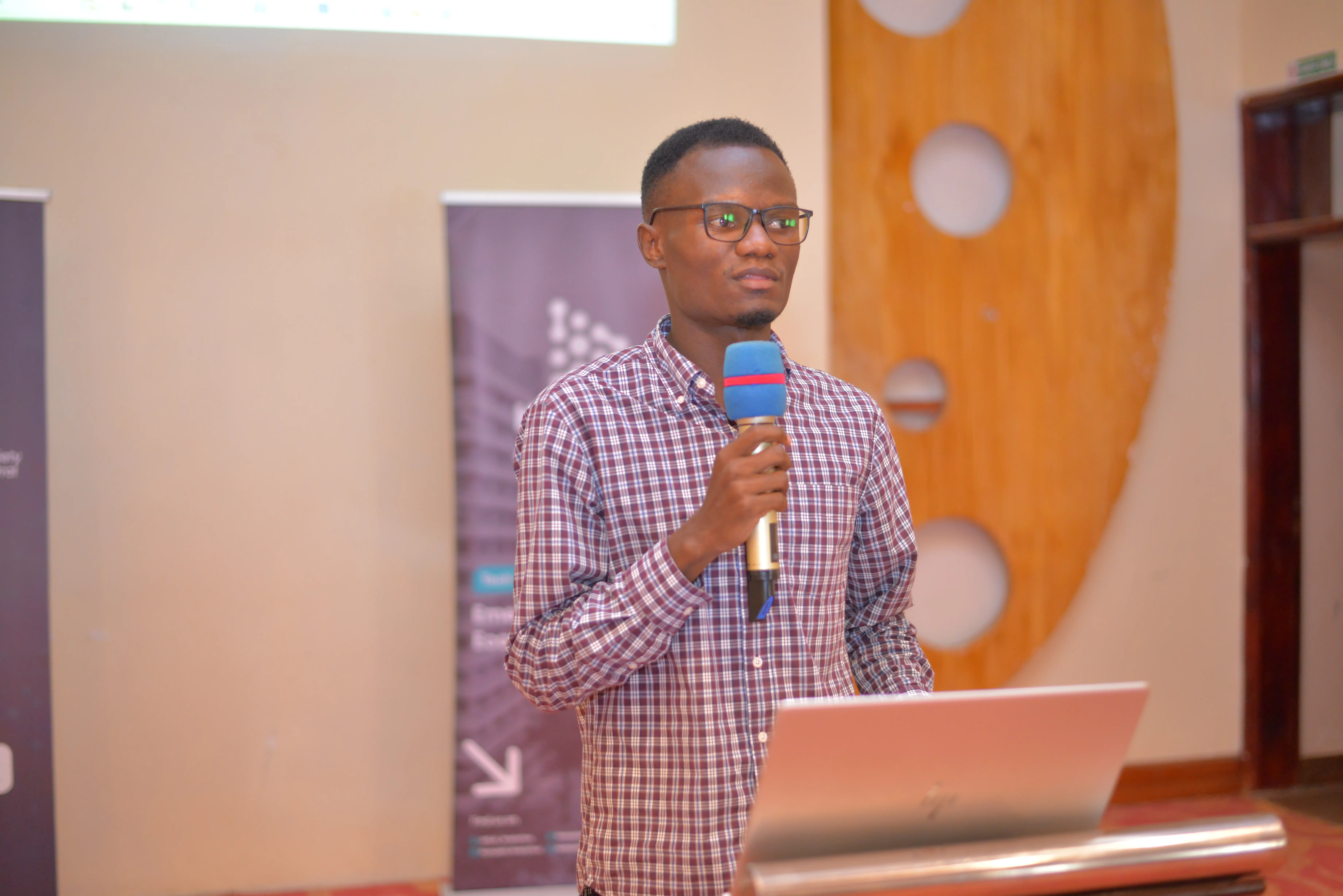
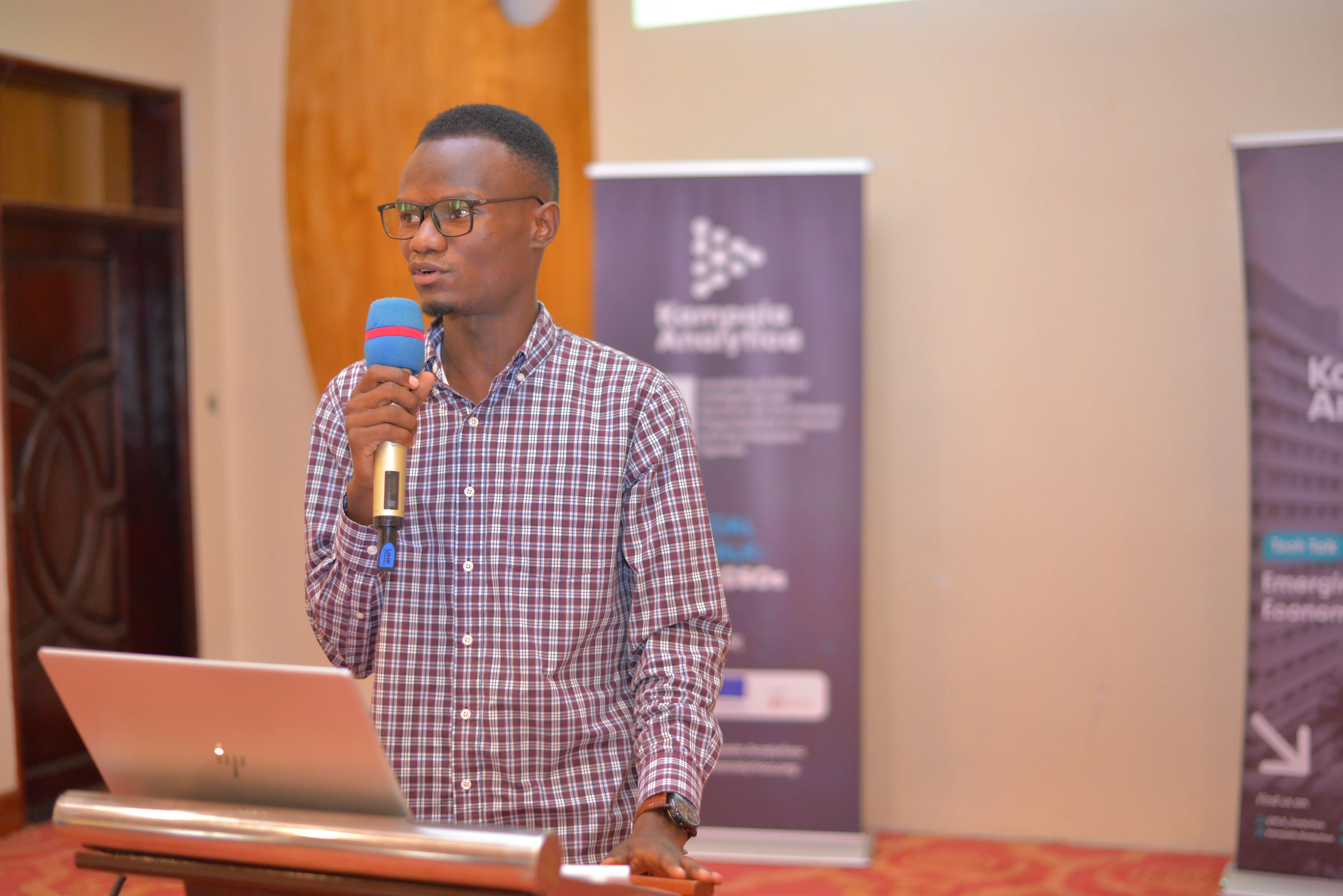
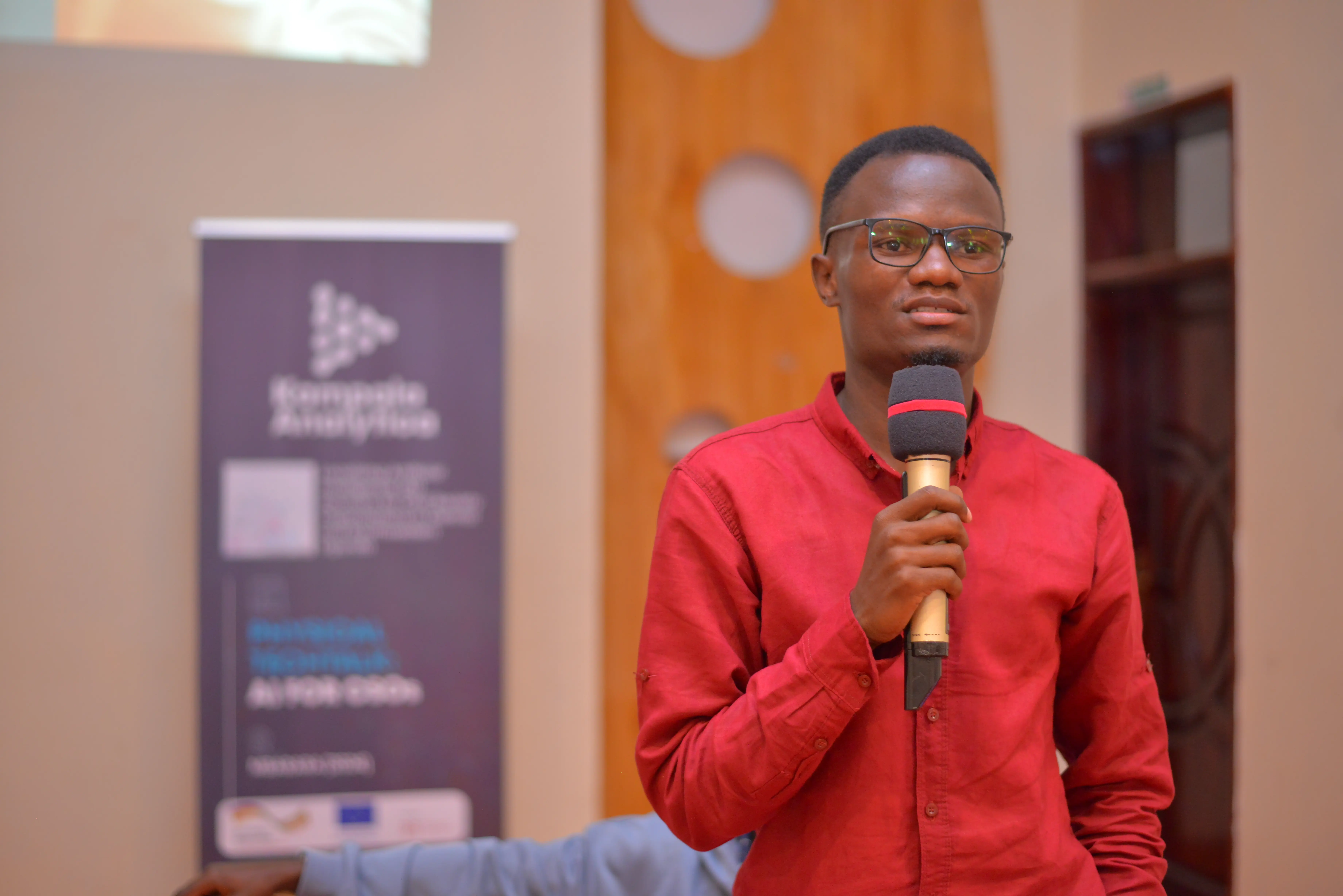
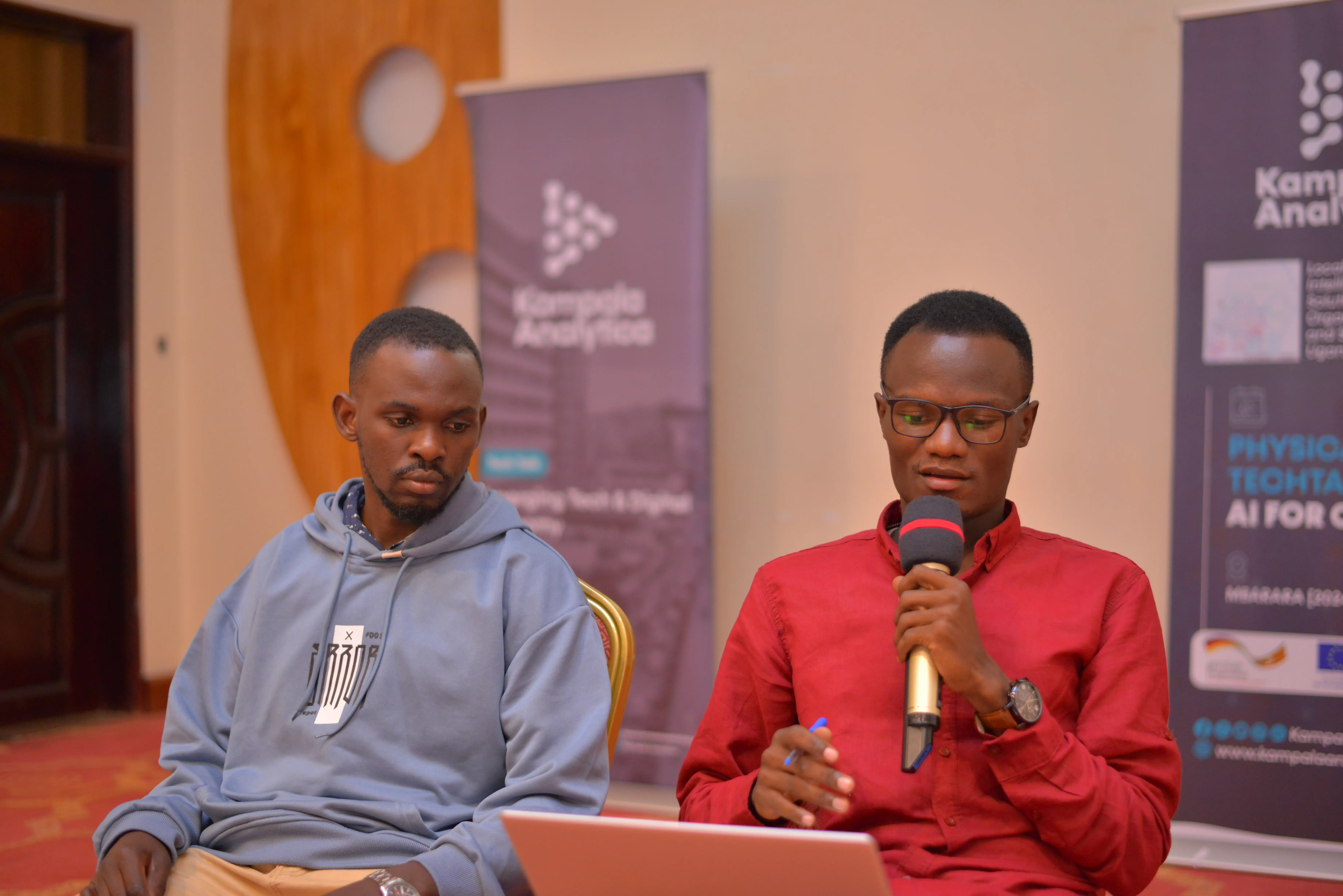
- Supported convenings including Tech Talks, policy dialogues, hackathons, and bootcamps
This role sat at the intersection of strategy, content, technology, governance, and execution.
3. Strategic Approach
The project was intentionally designed as an ecosystem intervention, not a one-off training.
Pillars of the approach:
- Evidence first – establish a baseline on AI uptake and perceptions among CSOs
- Knowledge localization – translate AI from abstraction into civic practice
- Capacity + culture – combine training, dialogue, and experimentation
- Durable assets – produce resources that outlive the project cycle
4. Key Interventions & Outputs
A. Baseline Research & Insight Generation
Designed and supported a mixed-methods baseline study assessing AI awareness and uptake among CSOs
Findings published through:
- Policy briefs
- Visualized digital reports
- Public discussions and media outputs
This grounded the entire project in local evidence, not assumptions.
B. Knowledge Production: Educational Resources
Rather than short-lived training slides, I led the creation of long-form, reusable educational resources that function as reference books for civil society.
1. Digital Communication Strategies for CSOs: Harnessing Digital Marketing & AI
Purpose:
To help CSOs translate complex advocacy, governance, and development work into effective digital narratives and systems.
Contribution highlights:
- Framed digital communication as a strategic function, not just social media
- Integrated AI into storytelling, outreach, and decision-making
- Addressed sector-specific constraints unique to CSOs
- Positioned digital tools as part of sustainability and visibility strategies
This resource bridges advocacy, technology, and communications—areas often treated in isolation.
2. Harnessing AI for CSOs: A Comprehensive Resource Guide
Purpose:
To democratize access to AI knowledge for resource-constrained CSOs.
What I helped shape:
- Curated AI tools relevant to nonprofit and civic work
- Translated technical AI concepts into accessible language
- Embedded ethical AI, bias, and governance considerations
- Structured the guide as a living resource, not a static publication
This guide positioned AI as:
- Practical
- Ethical
- Context-aware
- Directly usable by grassroots organizations
3. Understanding AI: A Comprehensive Guide to Artificial Intelligence
Purpose:
To provide foundational AI literacy for CSOs engaging in advocacy, governance, service delivery, and innovation.
Value of this resource:
- Covers technical, historical, ethical, cultural, and policy dimensions of AI
- Situates AI within African, civic, and Global South realities
- Supports informed participation in national and global AI governance conversations
Together, these publications form a coherent knowledge stack, not disconnected manuals.
5. Civic Innovation & Capacity Building
Beyond publications, the project translated knowledge into practice:
- Designed and supported Tech Talks, symposiums, and digital public squares
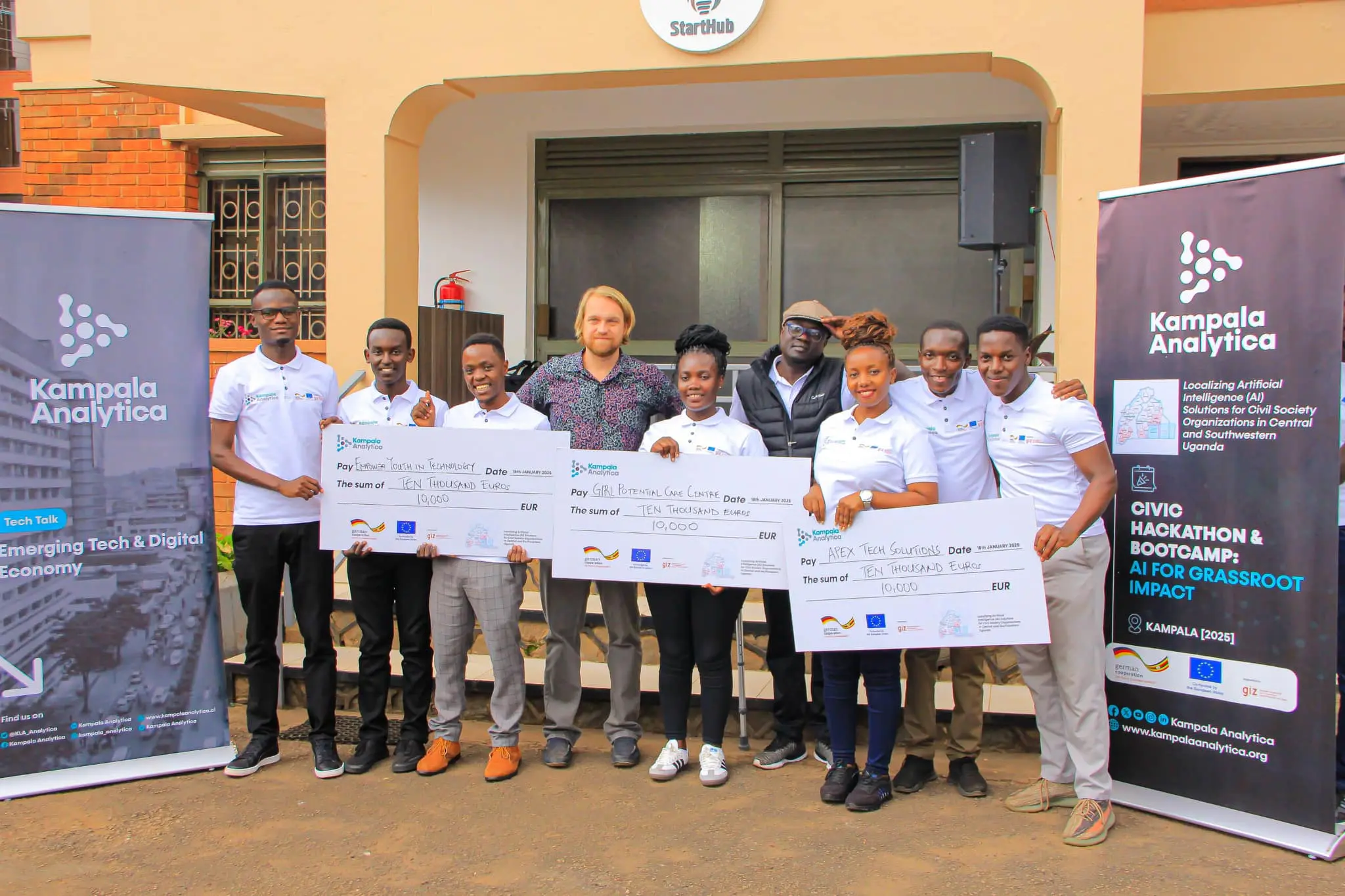
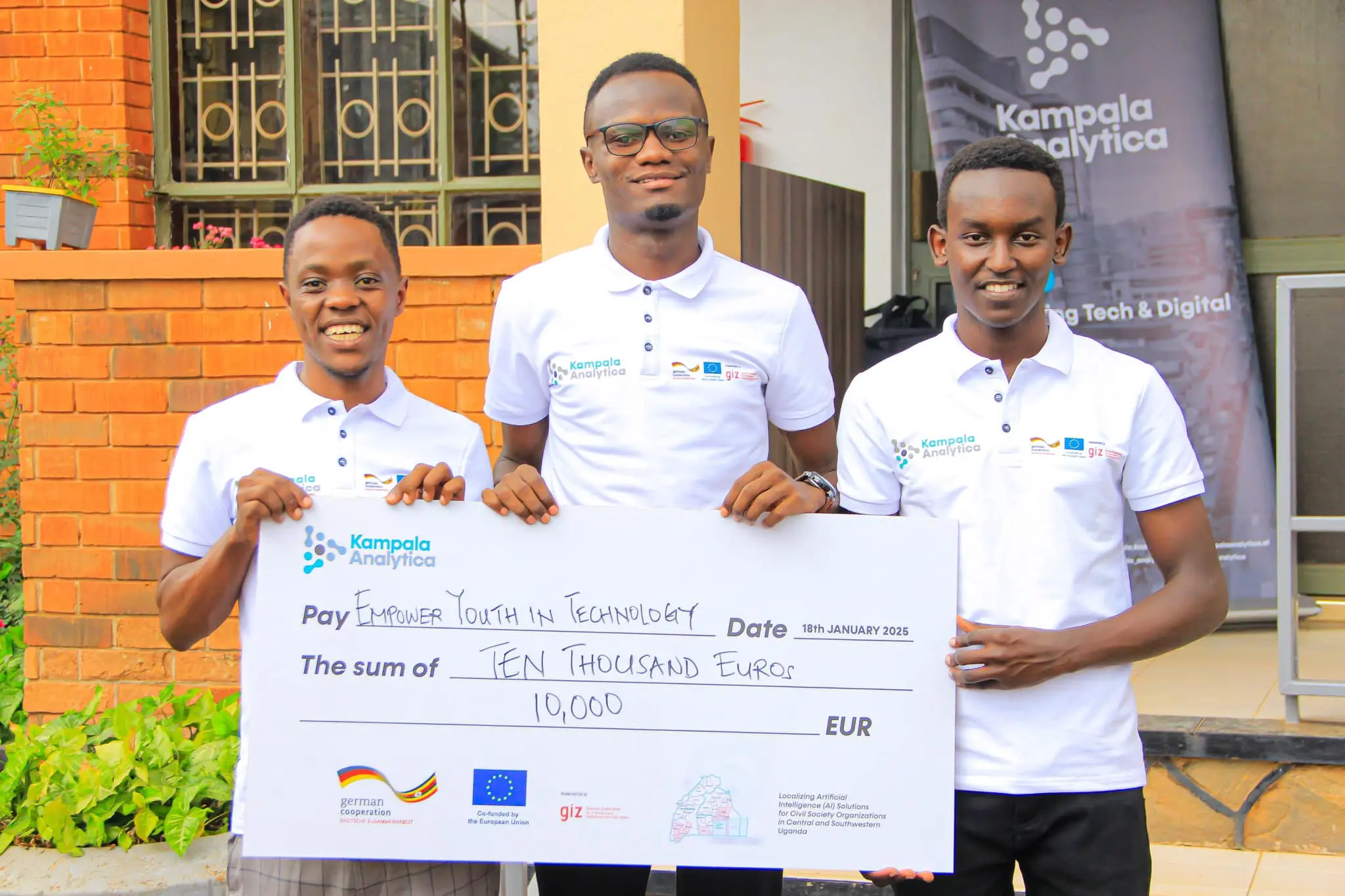
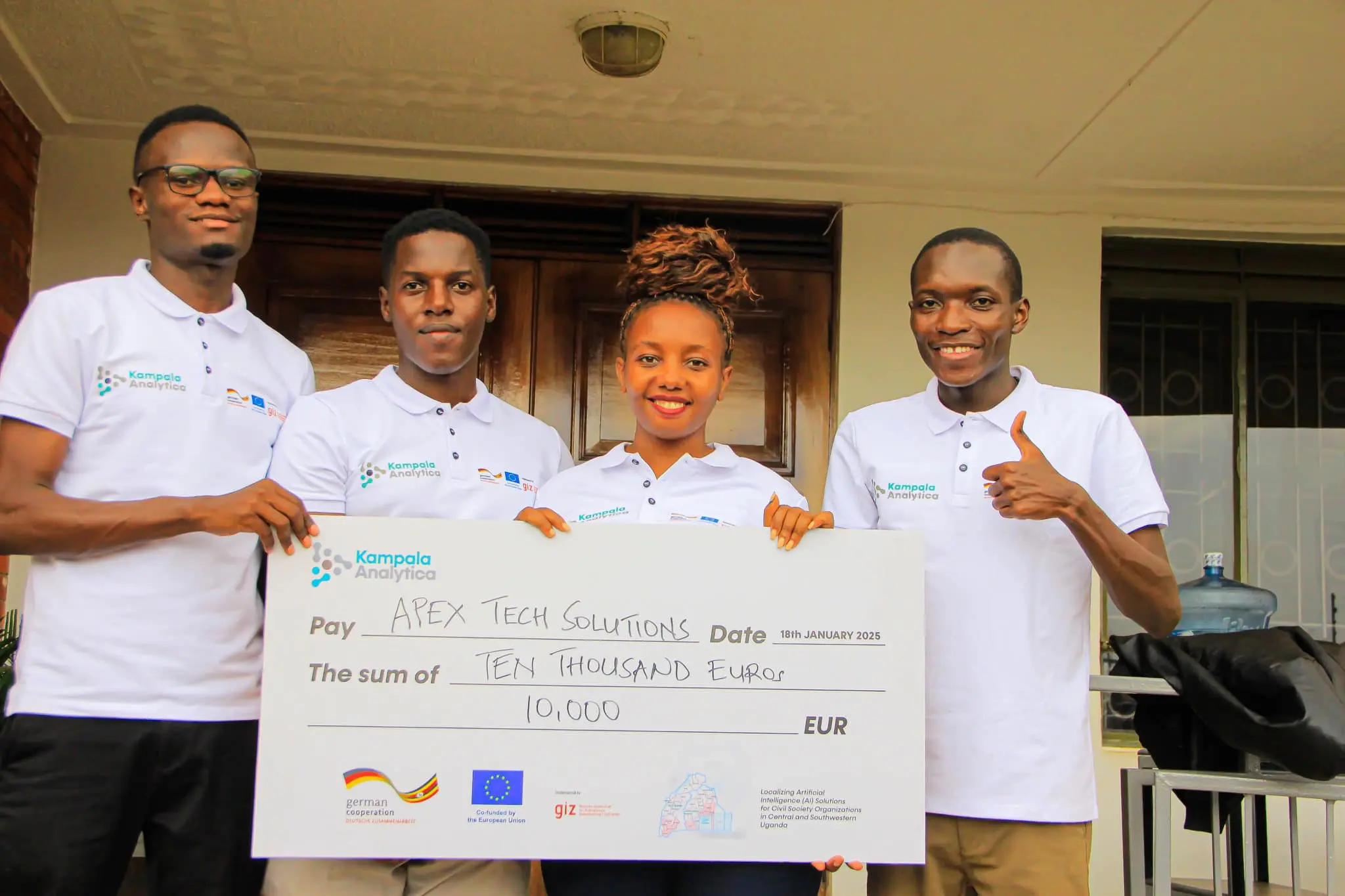
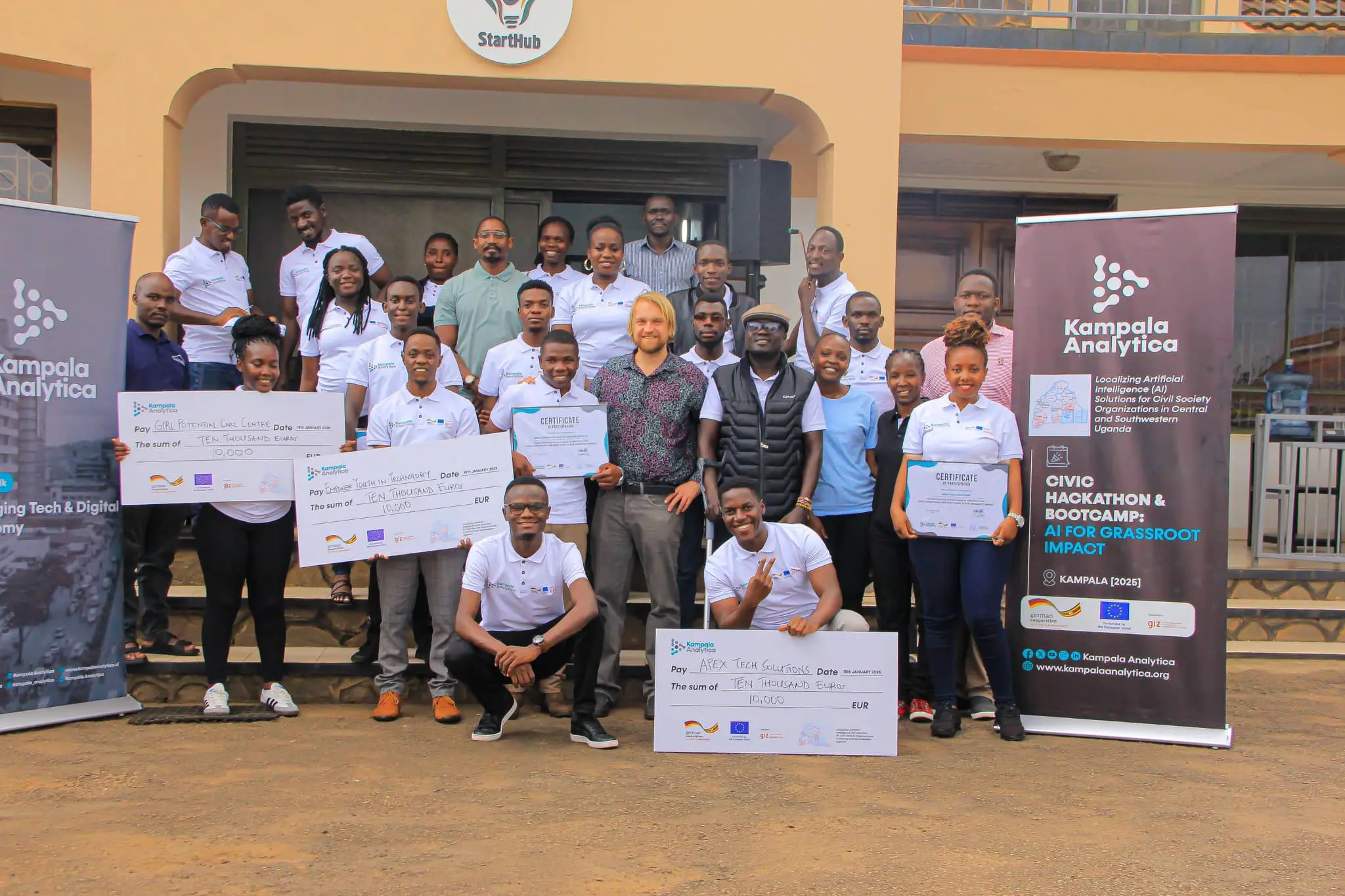
- Contributed to the structure of Civic Hackathons & Bootcamps
Enabled CSOs, developers, and community actors to:
- Ideate AI-driven civic solutions
- Prototype tools for advocacy and service delivery
- Engage AI as a collaborative, not extractive, technology
These spaces were deliberately documented and repurposed for ongoing digital access.
6. Project Management & Delivery
As Project Manager, I supported:
- Activity sequencing and milestone tracking
- Coordination between partners, facilitators, and CSOs
- Documentation and reporting processes
- Alignment between strategy, outputs, and donor requirements
This ensured the project delivered:
- On time
- Within scope
- With durable digital and knowledge assets
7. Outcomes & Impact
- CSOs increased AI literacy and confidence in engaging emerging technologies
- Practical AI use cases for civil society were identified and prototyped
- A foundation for localized AI ecosystems in Central and Southwestern Uganda was established
- Knowledge outputs continue to function as reference materials beyond the funding cycle
8. Why This Work Matters
This case study demonstrates my ability to:
- Translate complex technologies into civic value
- Design programs that blend policy, technology, culture, and practice
- Produce high-quality intellectual outputs—not just events
- Lead projects across strategy, execution, and documentation
It reflects a systems-level approach to digital transformation in civil society.
9. Links & Artifacts
On your site, this section should include:
- PDF links to the three publications
- Link to Kampala Analytica
- Media/documentary links (if public)
- Related talks, hackathons, or articles
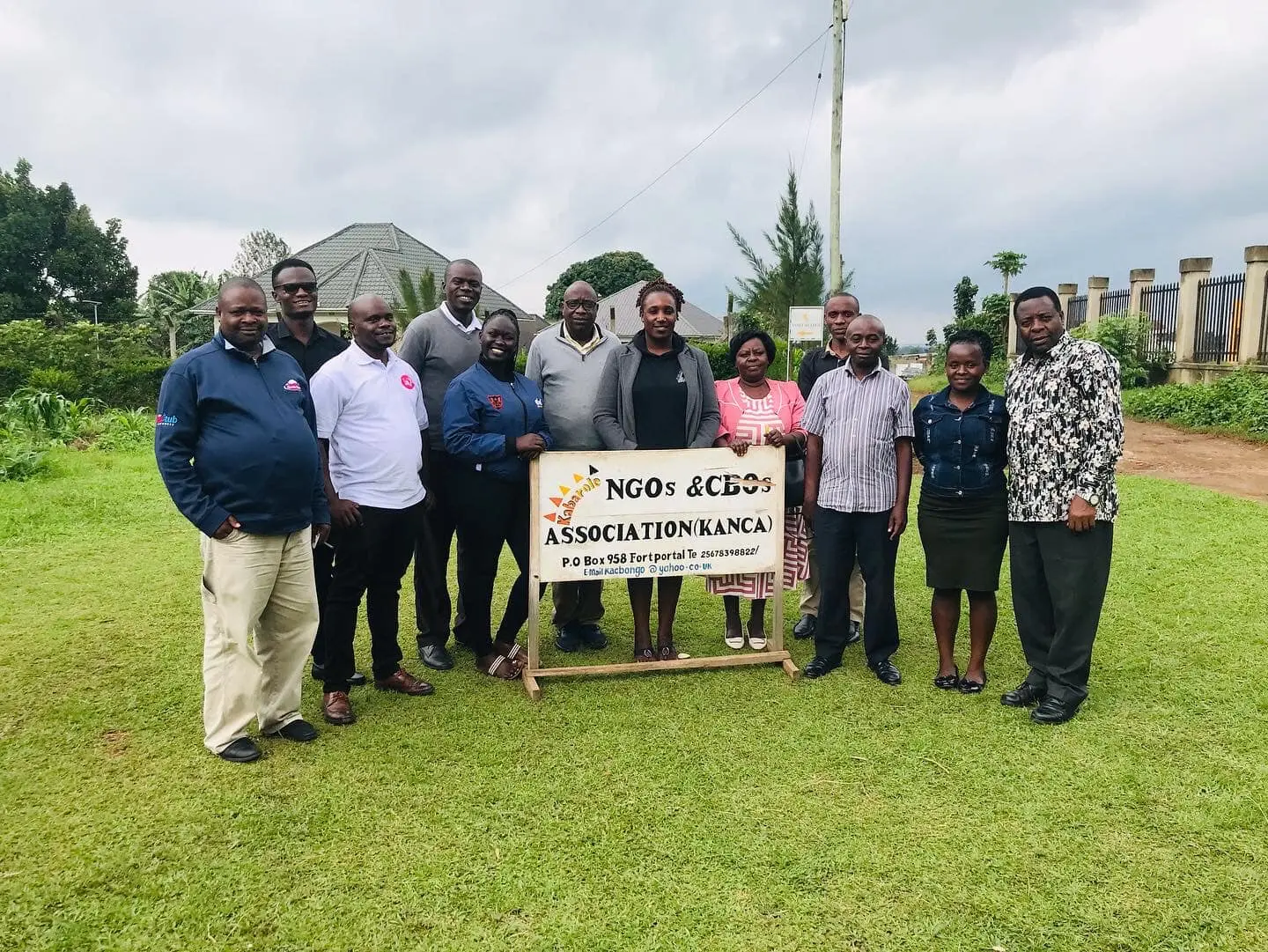
Photo Gallery