
Publications
Written frameworks supporting institutional strategy, digital transformation, and AI literacy across civil society and governance ecosystems.
These publications translate complex technological, governance, and communications challenges into structured, context-aware resources designed for civil society organizations, policy actors, and institutional leaders operating within African and Global South environments.
Together, they form a coherent knowledge stack—connecting digital infrastructure, artificial intelligence, and institutional sustainability into practical advisory tools rather than disconnected manuals.
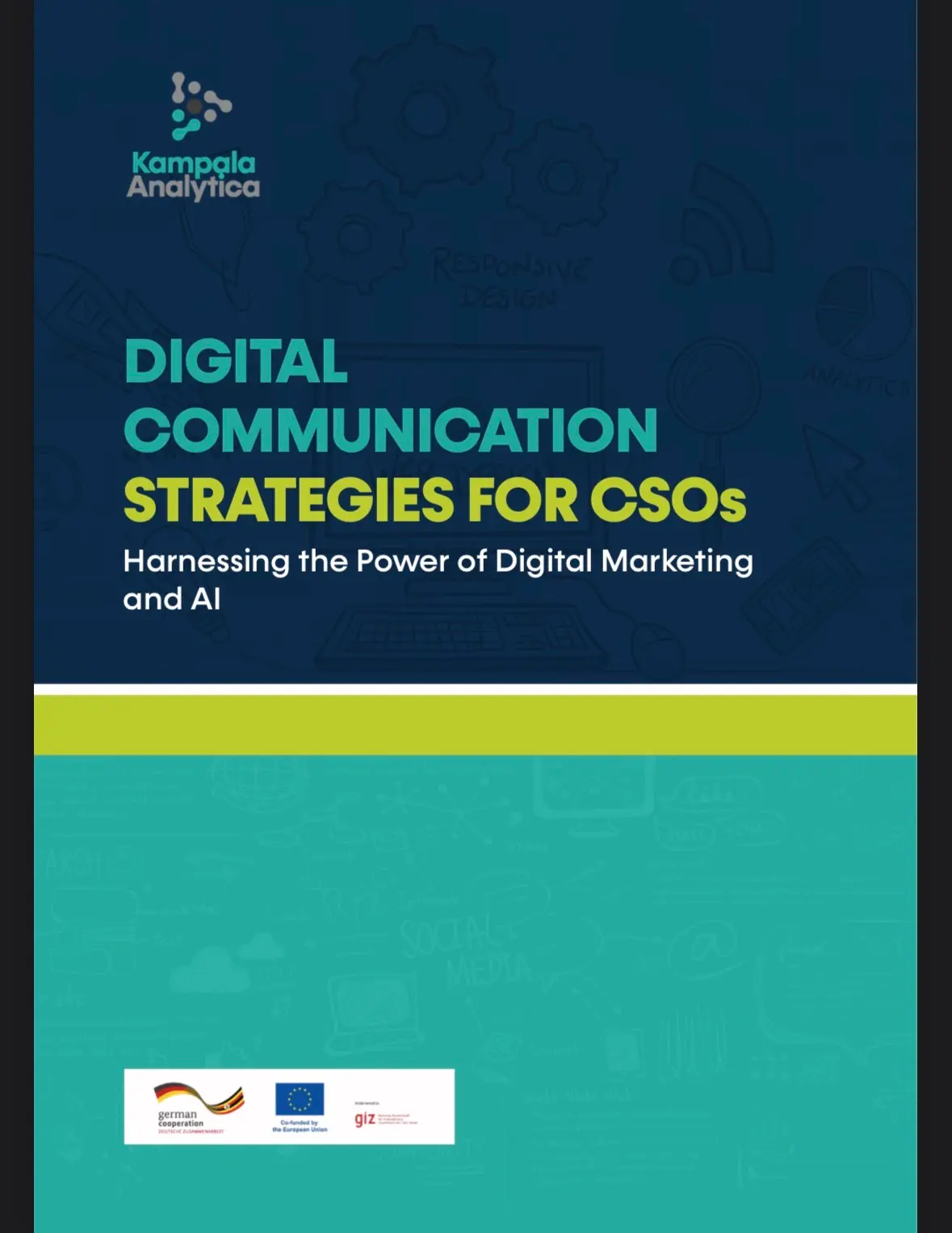
Digital Communication Strategies for CSOs
Harnessing Digital Marketing & AI
A strategic framework for transforming civic and development work into coherent digital systems of visibility, engagement, and sustainability.
Overview
This publication reframes digital communication within civil society organizations as a strategic institutional function rather than a peripheral media activity. It positions digital infrastructure, narrative design, and AI integration as essential components of advocacy effectiveness, stakeholder engagement, and long-term sustainability.
Designed specifically for CSOs operating under resource, governance, and capacity constraints, the guide connects communication strategy with organizational positioning, data-informed decision-making, and institutional resilience.
Why It Matters
- Positions digital communication as institutional infrastructure, not just social media
- Integrates AI into storytelling, outreach strategy, and decision-making systems
- Addresses operational and resource constraints unique to civil society organizations
- Links visibility, credibility, and sustainability into a unified strategic framework
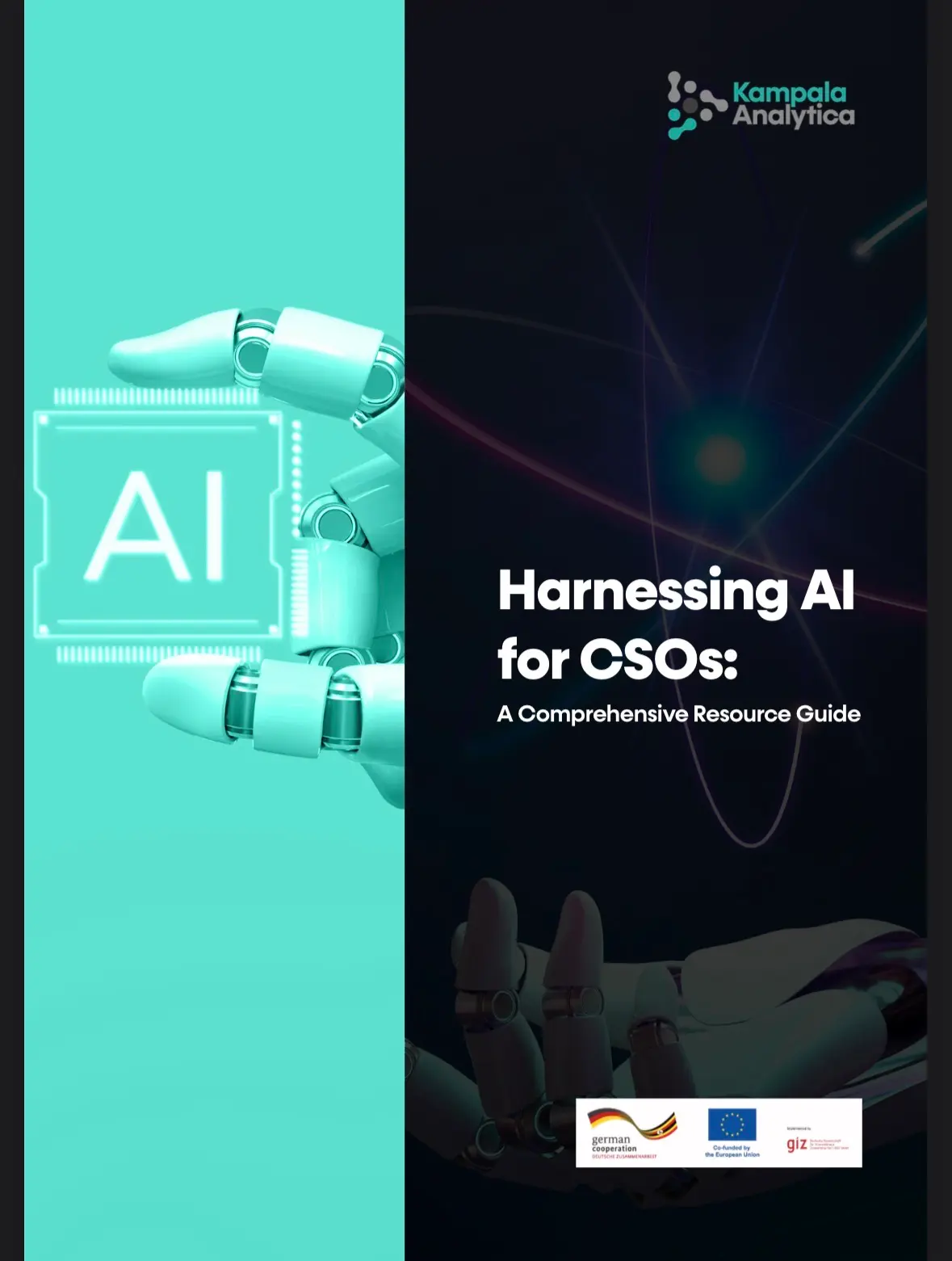
Harnessing AI for CSOs
A Comprehensive Resource Guide
A practical and context-aware AI field guide for resource-constrained civil society organizations.
Overview
This guide democratizes access to artificial intelligence knowledge for nonprofit and civic actors navigating rapid technological transformation. It curates relevant AI tools for advocacy, governance, service delivery, and internal operations while translating technical concepts into accessible, actionable language.
Beyond tool adoption, the guide embeds ethical AI principles, bias awareness, and governance considerations to ensure responsible implementation. Structured as a living resource rather than a static publication, it supports adaptive learning and institutional readiness.
Why It Matters
- Curates AI tools directly applicable to nonprofit and advocacy work
- Translates complex technical concepts into practical use cases
- Embeds ethical, bias, and governance considerations into implementation
- Expands AI accessibility for grassroots and under-resourced organizations
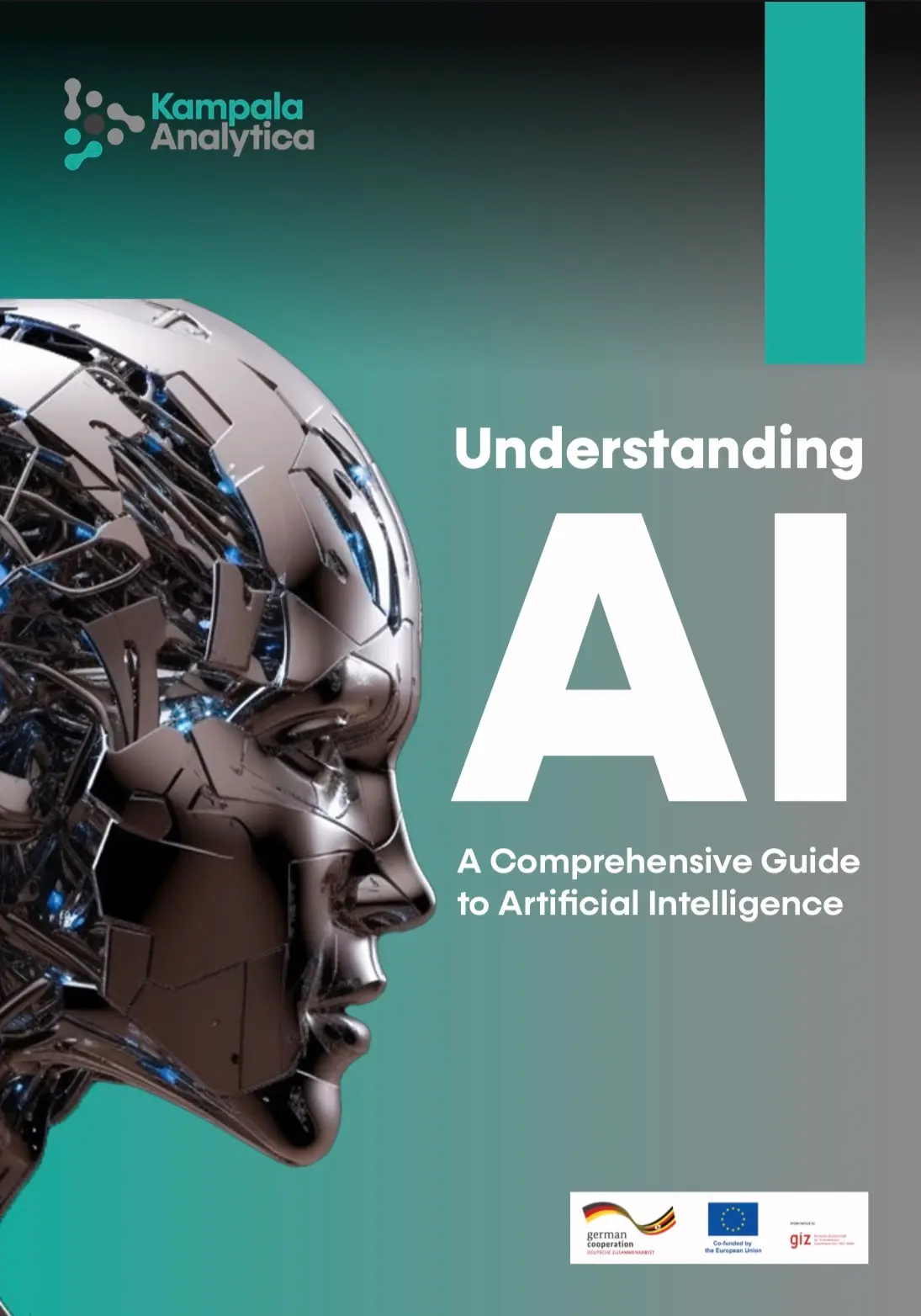
Understanding AI
A Comprehensive Guide to Artificial Intelligence
A foundational AI literacy framework for civic actors engaging in governance, advocacy, innovation, and public policy.
Overview
This publication provides a multidimensional introduction to artificial intelligence, covering its technical foundations, historical development, ethical debates, policy implications, and cultural impact. It situates AI within African and Global South realities, ensuring contextual relevance for institutions operating beyond dominant Global North narratives.
Designed to strengthen informed participation in national, regional, and global AI governance conversations, the guide equips civil society organizations with the conceptual clarity needed to engage confidently in policy and regulatory processes.
Why It Matters
- Integrates technical, historical, ethical, cultural, and policy dimensions of AI
- Grounds AI discourse within African and Global South contexts
- Supports meaningful participation in AI governance processes
- Builds institutional AI literacy beyond surface-level awareness